


| Category | Pollution Related Lung Disorder |
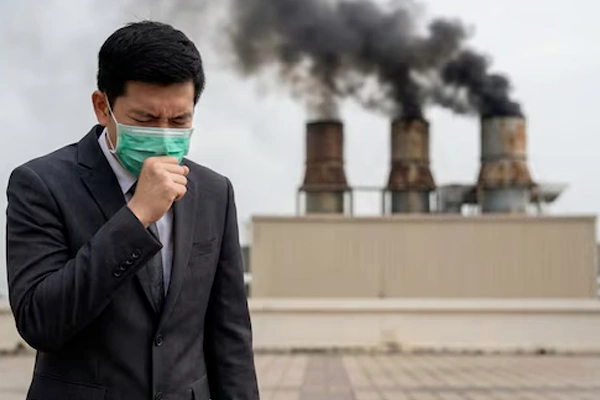
Air pollution has become one of the leading causes of respiratory illnesses, especially in urban areas where exposure to dust, smoke, industrial emissions, and vehicle pollutants is common. Continuous exposure to polluted air can damage the lungs, worsen existing respiratory conditions, and increase the risk of developing chronic lung diseases. Individuals with asthma, COPD, children, older adults, and people with weakened immunity are particularly vulnerable to pollution-related lung disorders. Early diagnosis and timely treatment are essential to protect lung function and prevent long-term complications.
If you are searching for expert Pollution Related Lung Disorder treatment in Vaishali, Dr. Deepanshu Chawla offers comprehensive evaluation and personalized respiratory care for patients suffering from pollution-induced breathing problems. With extensive expertise in Pulmonology and Interventional Pulmonology, Dr. Chawla provides evidence-based treatment aimed at improving lung function, relieving symptoms, and helping patients lead healthier lives.
Pollution Related Lung Disorders are respiratory conditions caused or aggravated by prolonged exposure to harmful pollutants present in the air. Fine particulate matter (PM2.5 and PM10), vehicle exhaust, industrial smoke, construction dust, chemical fumes, and tobacco smoke can irritate the airways, trigger inflammation, and damage lung tissue over time.
Common pollution-related respiratory conditions include:
Long-term exposure to air pollution can also increase the risk of serious respiratory complications if left untreated.
Common symptoms include:
Persistent symptoms should be evaluated by a pulmonologist, particularly if they worsen after exposure to polluted environments.
Air pollution is the primary cause, but several factors increase susceptibility.
Reducing exposure to pollutants plays a vital role in preventing respiratory complications.
Dr. Deepanshu Chawla performs a detailed respiratory assessment to evaluate lung health and identify pollution-related damage.
Diagnostic investigations may include:
These tests help determine the severity of lung involvement and guide the most effective treatment plan.
Treatment depends on the severity of symptoms and the underlying respiratory condition.
Treatment may include:
Pulmonary rehabilitation helps strengthen the lungs and improve breathing through:
Patients are advised to:
Regular follow-up appointments help assess lung function, adjust medications, and prevent disease progression.
Timely treatment provides several benefits:
Recovery depends on the severity of lung damage and ongoing exposure to pollutants.
Patients should:
Preventive measures combined with proper treatment significantly improve long-term respiratory health.
Dr. Deepanshu Chawla is an experienced Pulmonologist committed to providing advanced care for pollution-induced respiratory diseases through accurate diagnosis and personalized treatment.
Patients choose Dr. Chawla because of:
Air pollution can have a significant impact on lung health, leading to persistent respiratory symptoms and chronic lung diseases if left untreated. Early diagnosis, appropriate medical treatment, pulmonary rehabilitation, and preventive measures are essential to maintaining healthy lungs and preventing complications.
If you are looking for expert Pollution Related Lung Disorder treatment in Vaishali, consult Dr. Deepanshu Chawla for comprehensive respiratory care. With extensive experience in managing pollution-induced lung diseases, Dr. Chawla is dedicated to helping patients breathe easier, protect their lungs, and enjoy a healthier quality of life.
Long-term exposure to polluted air can cause chronic inflammation and lung damage, but early diagnosis and treatment can help reduce complications and preserve lung function.
Children, older adults, smokers, people with asthma or COPD, and individuals exposed to pollution for long periods are at higher risk.
Diagnosis includes a medical evaluation, pulmonary function tests, chest imaging, oxygen assessment, and other investigations based on symptoms.
Wear a well-fitted N95 mask when pollution levels are high, avoid outdoor activities during peak pollution hours, quit smoking, maintain indoor air quality, and seek timely medical care for persistent respiratory symptoms.
Consult a pulmonologist if you have persistent cough, wheezing, breathlessness, chest tightness, or recurrent respiratory infections that worsen with pollution exposure.