


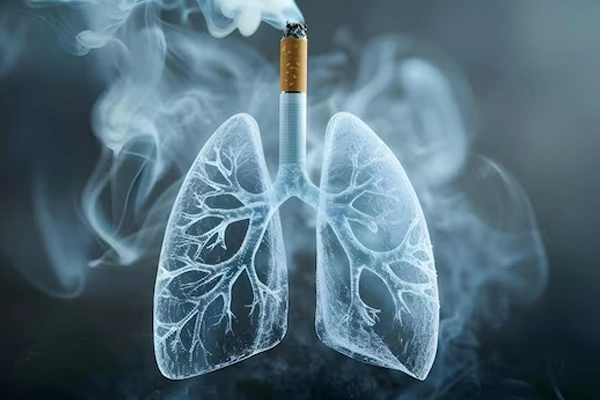
| Category | Smoking Related Lung Disorder |
Smoking is one of the leading causes of preventable lung diseases worldwide. Long-term exposure to tobacco smoke damages the airways and lung tissues, increasing the risk of chronic respiratory conditions such as Chronic Obstructive Pulmonary Disease (COPD), chronic bronchitis, emphysema, lung infections, and even lung cancer. Smoking not only affects smokers but also harms people exposed to secondhand smoke. Early diagnosis and timely treatment are essential to preserve lung function and improve overall health.
If you are looking for expert Smoking Related Lung Disorder treatment in Vaishali, Dr. Deepanshu Chawla offers comprehensive respiratory evaluation and personalized treatment plans for smoking-induced lung diseases. With expertise in Pulmonology and Interventional Pulmonology, Dr. Chawla focuses on improving breathing, preventing disease progression, and supporting patients in achieving better lung health through evidence-based care.
Smoking Related Lung Disorders refer to respiratory diseases caused by long-term exposure to tobacco smoke or other harmful inhaled substances. The toxic chemicals in cigarettes damage the lungs over time, reducing their ability to function properly and increasing the risk of chronic respiratory illnesses.
Common smoking-related lung disorders include:
Stopping smoking at any stage can significantly slow disease progression and improve lung function.
Common symptoms include:
Persistent respiratory symptoms should never be ignored, especially in current or former smokers.
The primary cause is prolonged exposure to cigarette smoke, but several factors increase the risk of lung damage.
Avoiding tobacco exposure is the most effective way to prevent smoking-related lung disorders.
Dr. Deepanshu Chawla performs a thorough respiratory assessment to evaluate lung health and identify smoking-related damage.
Diagnostic tests may include:
These investigations help determine the severity of lung damage and guide the most appropriate treatment plan.
Treatment depends on the type and severity of the lung disorder.
Quitting smoking is the most important step in preventing further lung damage. Patients receive counseling and guidance to successfully stop smoking.
Treatment may include:
Pulmonary rehabilitation helps improve breathing and overall lung function through:
Patients with advanced lung disease and reduced oxygen levels may require supplemental oxygen under medical supervision.
Regular follow-up helps monitor lung function, adjust medications, and prevent disease progression.
Timely treatment provides several advantages:
Although some smoking-related lung damage may be permanent, proper treatment can significantly improve symptoms and quality of life.
Patients are advised to:
Lifestyle modifications play a vital role in maintaining long-term lung health.
Dr. Deepanshu Chawla is a highly experienced Pulmonologist dedicated to providing comprehensive care for patients with smoking-related respiratory diseases.
Patients trust Dr. Chawla because of:
Smoking-related lung disorders can seriously affect breathing, physical activity, and overall health if left untreated. Early diagnosis, smoking cessation, appropriate medication, and pulmonary rehabilitation are essential to slowing disease progression and improving quality of life.
If you are looking for expert Smoking Related Lung Disorder treatment in Vaishali, consult Dr. Deepanshu Chawla for comprehensive respiratory care. With advanced expertise in managing smoking-induced lung diseases, Dr. Chawla is committed to helping patients breathe better, recover faster, and maintain healthier lungs for the future.
Yes. Quitting smoking at any stage helps slow lung damage, improves breathing, and reduces the risk of future complications.
Smoking can cause COPD, chronic bronchitis, emphysema, lung infections, asthma flare-ups, and significantly increases the risk of lung cancer.
Some damage may be permanent, but early treatment and smoking cessation can greatly improve symptoms and prevent further deterioration.
Diagnosis includes a clinical examination, pulmonary function tests, chest imaging, and other investigations depending on the patient's condition.
You should seek medical advice if you have a persistent cough, breathlessness, wheezing, chest discomfort, or a history of smoking with respiratory symptoms.